Articles, webinar recaps, and resources on AI adoption in organizations.
Almost every leader today wants to see an instant productivity leap from AI. But the reality is harsh – 80–90% of companies see no tangible return. The biggest mistake? AI is still treated as a pure IT project.
Read more →
Do you know where your company's data ends up? Learn about the risks of "shadow IT," the "allow list," and how to put safe AI guidelines in place within two months.
Read more →
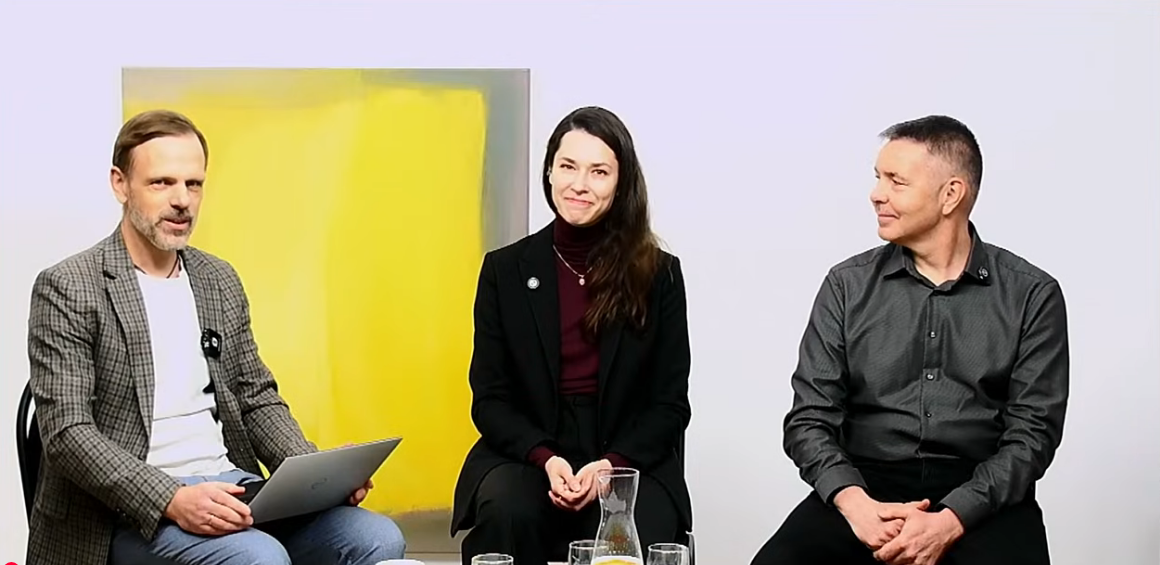
The AI guidelines are a major step forward – but how do you actually put them into practice? A conversation with the guidelines' authors on practical governance, risk assessment, and building an "allow list."
Read more →
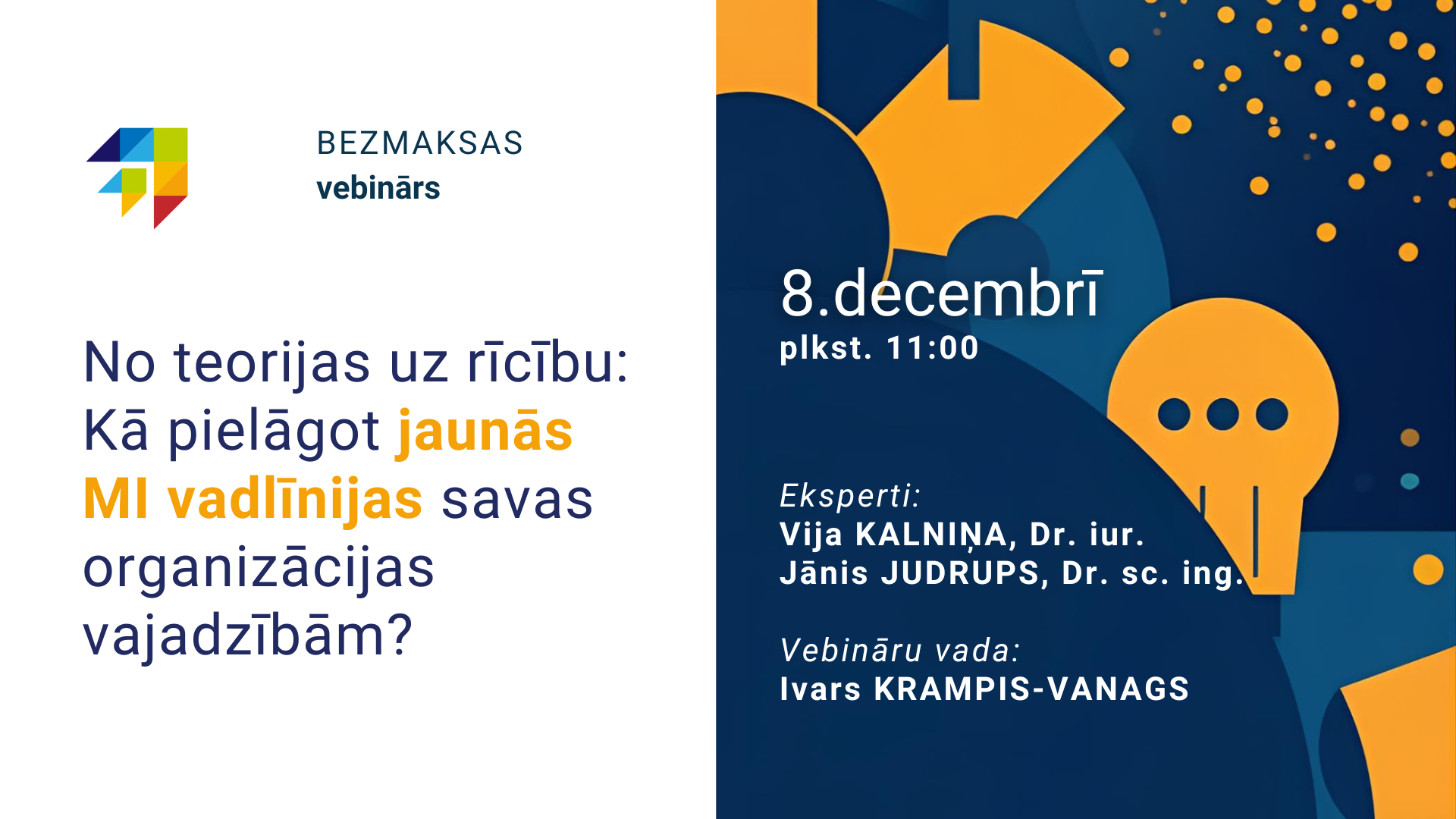
Safe and responsible use of AI – from innovation to accountability. Experts Vija Kalniņa and Ivars Krampis-Vanags on turning AI risk into a management tool.
Read more →
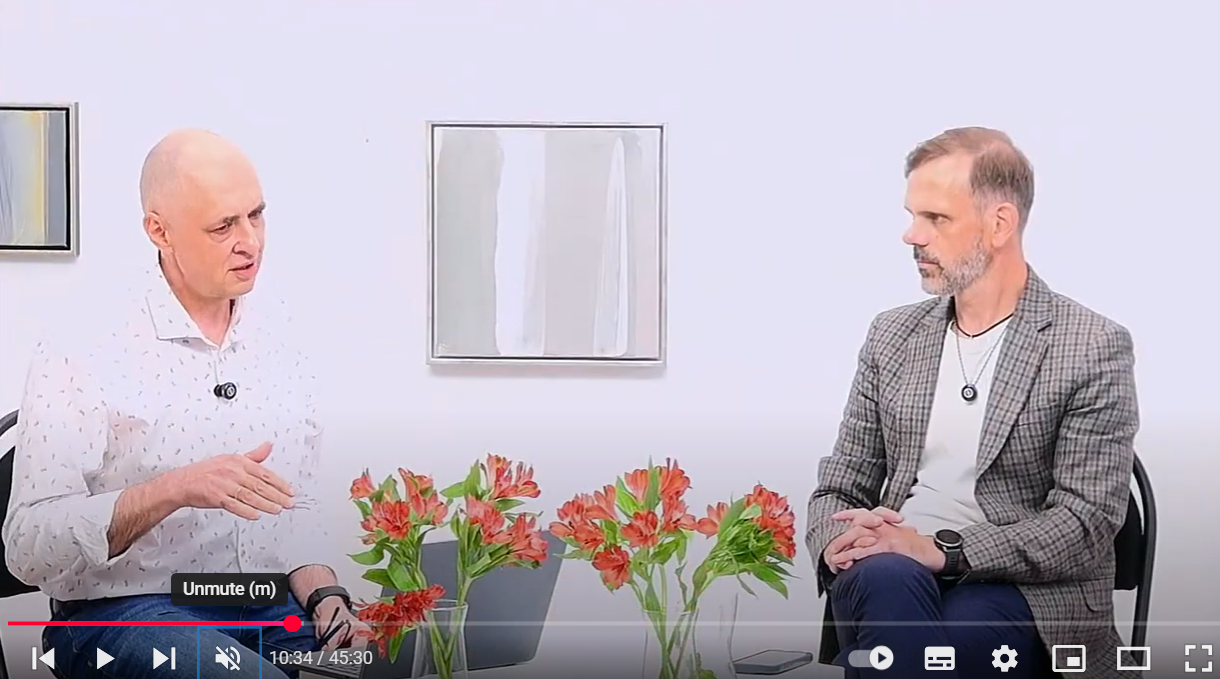
LIAA has launched an ambitious AI support programme for SMEs. Guntis Kalniņš and Ivars Krampis-Vanags share practical advice on preparing wisely and avoiding costly mistakes.
Read more →
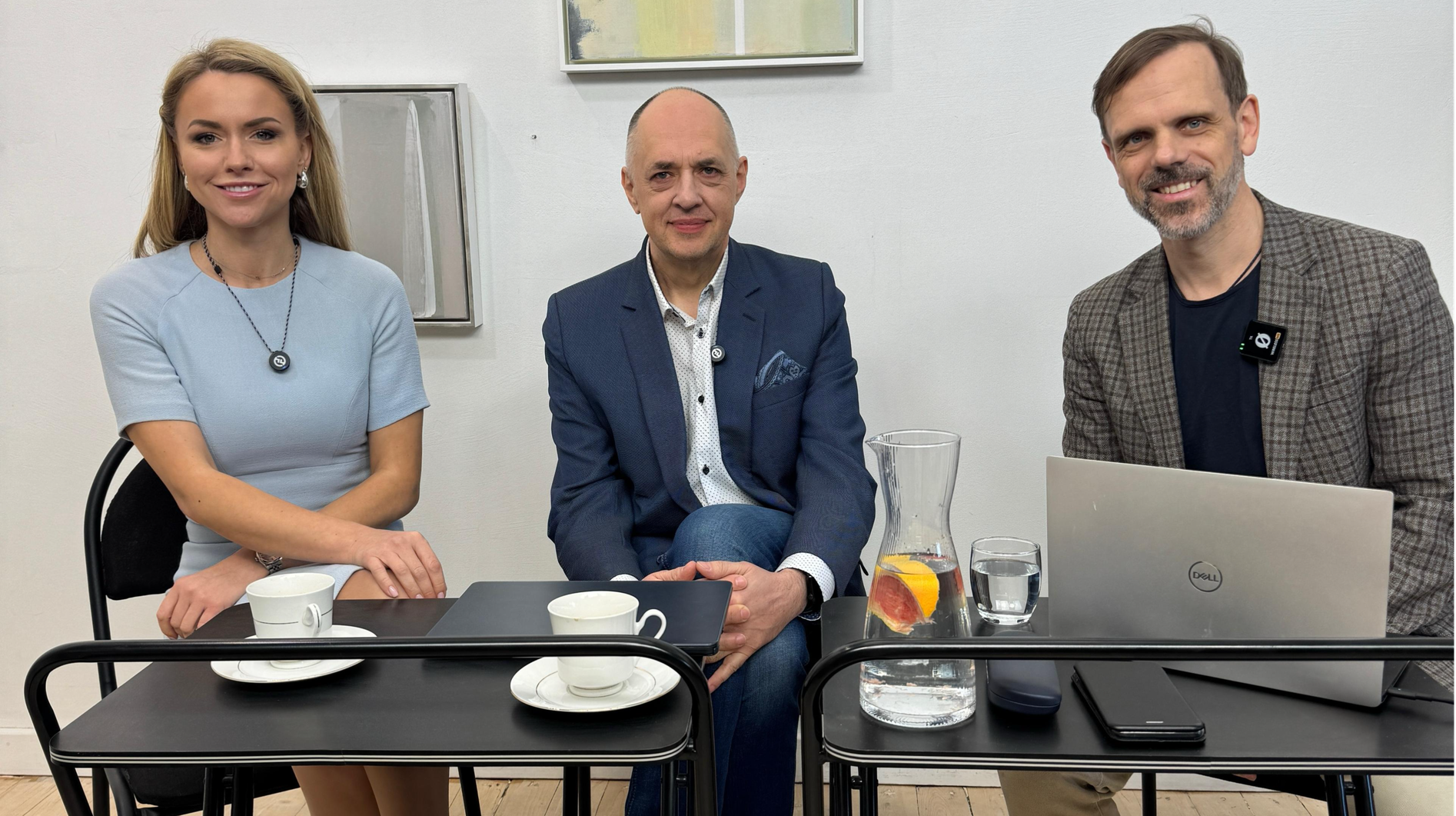
A recap from the AI Master Lab webinar – practical takeaways, real examples, and advice on how companies and organizations can wisely integrate AI solutions.
Read more →Almost every leader today wants to see an instant productivity leap from adopting artificial intelligence (AI). But the reality is harsh: research and interviews show that roughly 80% to 90% of companies see no tangible return or benefit from AI adoption. The biggest mistake? Companies still treat AI as a pure IT project, completely ignoring business architecture and the human factor.
To look for solutions to this challenge, AI Master Lab brought together a panel of experts: change management expert and organizational psychologist Iveta Bikse, international AI trainer and HR expert Dov Zavadskis, and AI Master Lab partner and business strategist Guntis Kalniņš.
In this article, we've gathered the discussion's key points and practical steps for moving companies from "chaotic experimentation" to profitable, safe AI integration.
The numbers are striking – around 78% of office employees already use generative AI daily, yet nearly half of them hide it from management. This phenomenon, known as shadow AI, creates enormous risks for companies.
The solution: Company leadership needs to create a clear AI policy and AI guidelines. Banning tools outright makes no sense. What's needed is a definition of which tools are safe, what data may be entered into them, and how to verify the quality of the output.
Middle managers currently find themselves caught in the crossfire. On one side, senior leadership demands efficiency and results. On the other, quiet fear and resistance run through the team, as employees worry about losing their jobs.
This creates a new phenomenon – techno-stress and burnout risk. Employees and managers feel confused, unsure what will be expected of them tomorrow. As our experts point out, the "psychological contract" between employee and company is currently being rewritten, and many find that unsettling.
How can a manager get out of this trap?
The HR department has historically been seen as one of the less technology-driven functions. Yet it is HR that now needs to become the bridge between IT technology and people.
We've added Latvian subtitles to the recording. Watch the full conversation to learn more about:
While our webinar on implementing AI guidelines covered "shadow IT" at length, our experts' conversations with clients reveal three specific problems that go beyond the usual, simplified "allow/block" approach.
Here are three strategic and technical insights from a conversation between our experts, Vija Kalniņa and Jānis Judrups, that will change how you think about security.
The problem isn't that employees use AI – it's which version of it they use.
In the webinar, we highlighted a key distinction:
The takeaway: It's not enough for your guidelines to say "use tool X for drafting English-language documents." There needs to be a clear line: public versions of tools may only be used for general information, while sensitive data requires a sandboxed environment that doesn't pass data on further.
"How do we control all of it?" is one of leaders' biggest fears. The answer: an organization doesn't need to control the use of the tools themselves – it needs to control which data goes where.
We recommend introducing a simple "traffic-light principle" for employees:
This approach takes the pressure off employees – they don't need to be IT experts, they just need to understand what kind of data they're working with.
Vija Kalniņa highlighted a critical ethics and safety point that often gets forgotten amid the excitement of automation.
No AI decision that affects people (such as candidate selection, benefit approval, or legal analysis) should be fully automated. Guidelines must include the principle that AI is an assistant, not the decision-maker.
Final responsibility always rests with the employee. That means "copy-pasting" a chatbot's output without reading it back and checking the facts counts as a breach of work discipline.
Do you have a clear plan for putting these three principles into your documentation?
We've seen that organizations struggle most with the first step – auditing the current situation and classifying risk. That's why we've built a service that takes you, within two months, from "I don't know what they're doing" to "we have a safe, certified environment."
In November 2025, the new "Practical guidelines for implementing artificial intelligence in public administration" were published. This is a long-awaited and important step toward bringing order to a landscape where, according to the data, 65% of public institutions already use AI solutions – often, unfortunately, without a clear strategy or security framework.
This document is a huge step forward for putting Latvia's AI landscape in order. But publishing it is only the beginning of the work.
Institution heads, IT managers, and lawyers now face the next critical task: integrating these general guidelines into their organization's specific processes.
The key question every leader faces is: how do you put the necessary controls and security in place without turning everyday work into something bureaucratic, slow, and complicated? AI's potential lies in efficiency, and overly heavy-handed regulation can kill that potential at the root.
To help state and municipal institutions learn about and put the new requirements into practice, AI Master Lab hosted an exclusive webinar. It wasn't a theoretical lecture, but a conversation with the experts who actually wrote the content of these guidelines – Jānis Judrups, Dr. sc. ing., and Vija Kalniņa, Dr. iur.
We focused on three practical pillars of safe AI governance:
If your institution is planning to use artificial intelligence, or already does, get in touch with us – we'll help you build a clear roadmap from chaos to an organized, safe, and efficient process.
Artificial intelligence solutions are no longer just a tool for innovation labs – they've become part of everyday decision-making, data processing, and customer service. But with new opportunities comes a new kind of responsibility. Where does innovation end and a breach of regulatory requirements or ethical boundaries begin?
In the AI Master Lab webinar "AI risk management in organizations: safe and trustworthy AI use – a legal requirement or an ethical duty", Vija Kalniņa and Ivars Krampis-Vanags helped explain how to turn AI risk into a management-level responsibility, rather than leaving it solely to IT or legal.
Vija Kalniņa – Doctor of Law, an expert in AI ethics and law, with research experience at Harvard and Boston University. Her work helps organizations adopt artificial intelligence with clear accountability and transparency.
Ivars Krampis-Vanags – a data analytics expert, founder of Excel Know How, and a Microsoft Power BI practitioner with extensive experience in finance and data management.
The webinar recording is available on our YouTube channel:
LIAA (the Investment and Development Agency of Latvia) has launched an ambitious artificial intelligence (AI) support programme for small and medium-sized businesses. It's the first initiative of this scale in Latvia, and it has already generated considerable interest among business owners.
AI Master Lab partners Guntis Kalniņš and Ivars Krampis-Vanags shared insight in the webinar on how to prepare wisely for an application, taking into account both the programme's conditions and the scale of investment planned.
On April 3, AI Master Lab held the webinar "The evolution of artificial intelligence: what's changed in a year?", where we looked at how the AI landscape in Latvia and around the world has shifted over the past year. Our goal wasn't just to explain the technological changes, but to dig into what they mean for businesses, public administration, and practitioners.
During the webinar we covered examples of generative AI in use, as well as the most common challenges organizations face when trying to integrate these tools into daily operations. Attendees heard real examples from Tilde's experience, an analysis of EU regulation, and advice for companies on how to develop an AI adoption strategy.